The old man sat at an angle to the table, his grizzled features scant inches from some sheets of paper that had a stranglehold on his attention. His face had avoided acquaintance with a razor for some time and the growth there was a light gray, almost white. His gaunt frame was rack to a coat, threadbare and dirty, that would prove only marginally useful against the cold outside. His oversized jeans had large stains in the crotch, evidence of a time when the effort to find a bathroom was more than just inconvenient. The cheap sneakers on his feet were long past the stage when people with incomes discard their footwear.
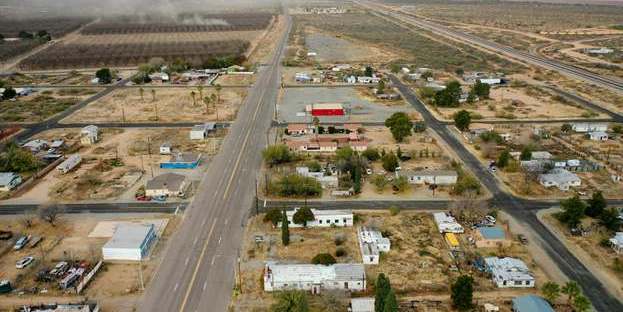
It was a combination gas station/convenience store/sandwich shop/ice cream parlor in southeastern Arizona, a building that even in this day and time starkly contrasted against its historic backdrop. Within sight of the building and less than a day’s ride on a good horse was Apache Pass, beyond it the remains of old Fort Bowie. The spring which the fort’s presence was to protect still flows, though its water is no longer drinkable. The remains of a dwelling used by Thomas Jeffords can still be seen near there; this remarkable man is known to relatively few today, though his name commanded much respect in his own time. The walls of the old Butterfield stage station still exist, though there is no longer any trace of the blood once spilled against them. It was here, in the shadow of the station, in 1861, that Lieutenant George Bascom gravely misjudged the character of a man and perpetrated the act that would trigger the Apache wars.
Bascom accused Chiricahua Apache chief Cochise and some of his band of capturing a white child in a raid. The child had in fact been abducted by a different band. Bascom had the Apaches detained. When Cochise escaped, Bascom had the remaining prisoners hanged. The tide of bloodletting that followed would not be stemmed until the final surrender of Geronimo in 1886.
It had been ten years since I had walked that ground. A decade since I had trod where the hard-bellied few, in the words of Western writer Louis L’Amour, had made it possible for the soft-bellied multitudes to follow. Due to time constraints on this holiday trip from Austin to Phoenix, the closest that I would get to this period of Arizona history was the shop where we sat eating lunch, at a table a few feet removed from the old man.
I watched as his fingers, writing instrument at the ready, worked furiously, paused, then scribbled again. Finally he sat up and surveyed his work. Satisfied, he clutched the sheets of paper in a fist and, leaning heavily on his cane, struggled shakily to his feet. As he tottered past the girl behind the ice cream counter he threw her a few words of conversation identifying the object of his frenzied work: lottery tickets. He had spent his last few dollars in a gamble against incredible odds. It was a gamble that would likely yield no more than scraps of worthless paper as a return on his investment, not even the glass bottle that would have been a byproduct of an easier route. But maybe, just maybe…
He moved off for a while but was soon back at his table, studying with care the selections he’d made in his search for the End of the Rainbow. The shop employees seemed familiar with him and accorded him an easy tolerance.
I looked at him as I finished my sandwich. Having been a member of the not-so-exclusive-club of the high tech unemployed since August, it occurred to me that the only thing separating us was time.
As we got up to continue our journey, I gave thought to slipping the old man a discrete offering. But he had asked for nothing, and I was not prepared to strip him of his pride with an act so easily misinterpreted as arrogance.
We pulled away from the stop sign and turned west. We had travelled but a few miles when I saw it: a billboard emblazoned with attention-arresting colors, silently shouting the amount of the lottery jackpot – $280 million.
We drove in silence now and left them behind, the ghosts of the past, the young workers, a building seemingly so out of place. And an old, homeless man, breathing a not-so-silent wish.
—
Dempsey 🌵


I was seriously entertained by that, You, sir, are a great writer. Thanks.
LikeLike
Thank you for your kind words, Phil.
LikeLike
Dempsey, you really should write short stories for publication. There are very few writers out there who can string together thoughts like you do, and this story is evidence of that. Also, your point about lotteries is poignant. What they really are is a tax on the poor who consistently hope to hit it big. I remember seeing an incredibly long line at a place selling lottery tickets years ago, and the overwhelming number of people buying tickets were day laborers, people who worked very hard, and were looking for that pot of gold that would change their lives forever.
LikeLike
The statistics against winning are phenomenal. But you know what they say, “Hope burns eternal…”, especially when you can’t see a brighter future.
Thanks for your kind words.
LikeLike
I know you could impress someone that understands really good, insightful writing. There is very little of any of that to be found today.
LikeLiked by 1 person
Wow, high praise, Jack. Thank you!
LikeLike
I think writing about Arizona and the old west like you do so well would be a great collection of short stories that not only could be sold online, but in every gift shop in Arizona that people from out of state frequent. Instead of buying a coffee cup or something, I think the short stories could be appealing.
LikeLike
Thanks, Jack. Something for me to consider.
LikeLike
My dad and I had a duel with two pygmy rattlers on the walkway headed to Fort Bowie back many years ago, when he was stationed at Huachuca. I am proud to say we did not leave the pathway and yet we still saw the sights of the Old Army. And, the bell-tails lived to discombobulate another group of tourists at a later date.
LikeLike
Sounds like you and your dad had some nifty dance moves!
LikeLike